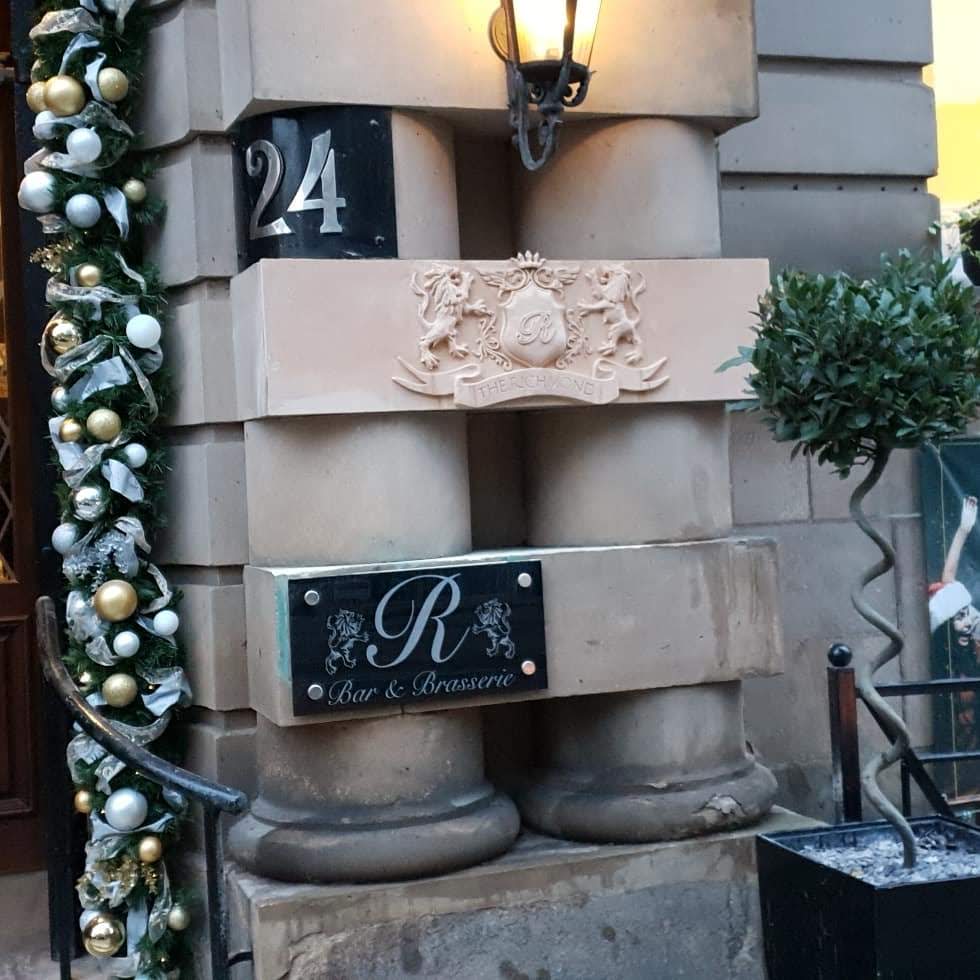
Richmond hotel Entrance, Liverpool

We modelled and produced these cast stone entrance logos for the construction of the Richmond hotel, Liverpool.

The grand entrance to this exclusive 5 star boutique hotel in Liverpool city center was redesigned to incorporate the business logo and we were tasked to design and produce a pair of stone emblems for the client.
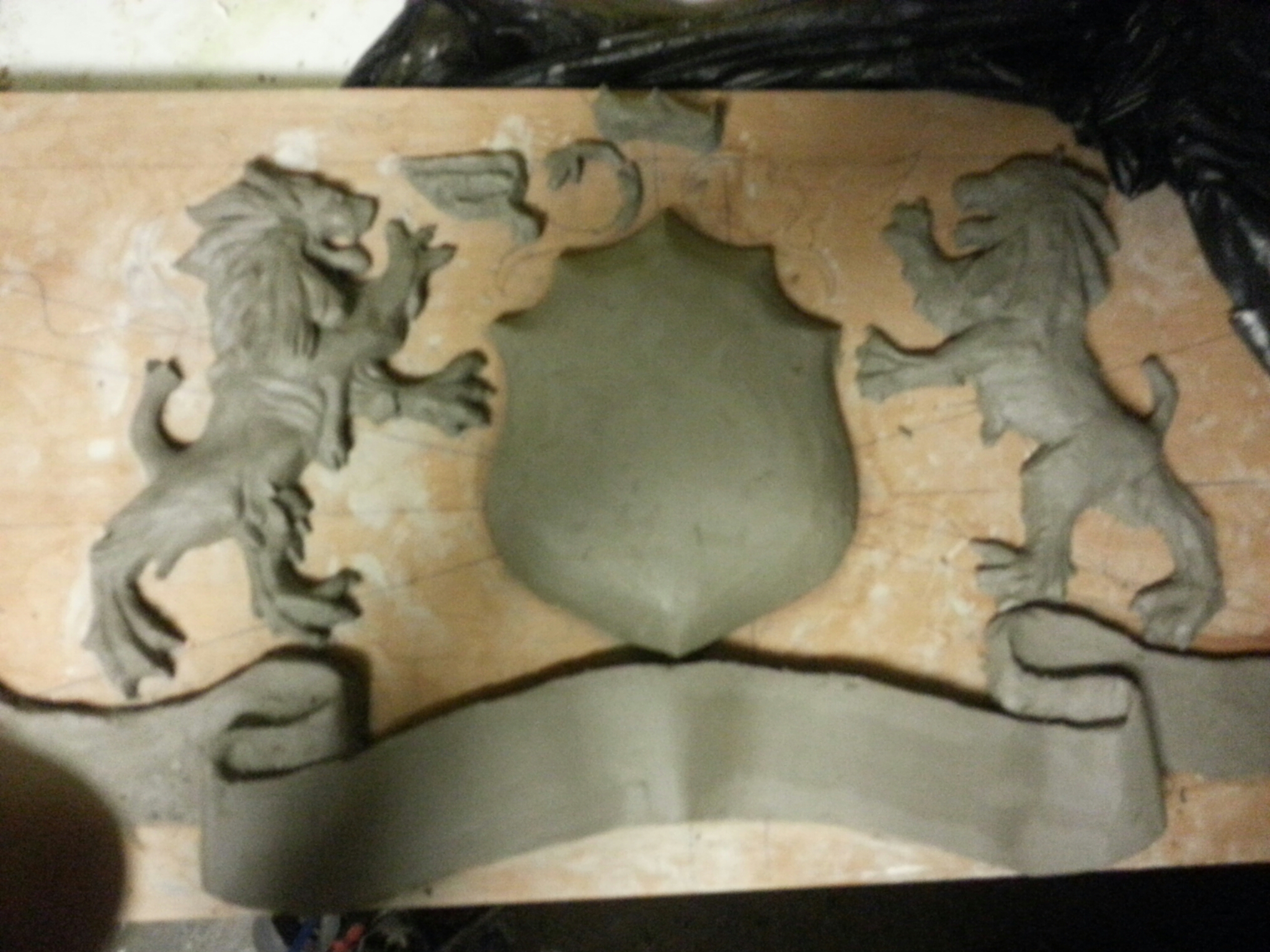
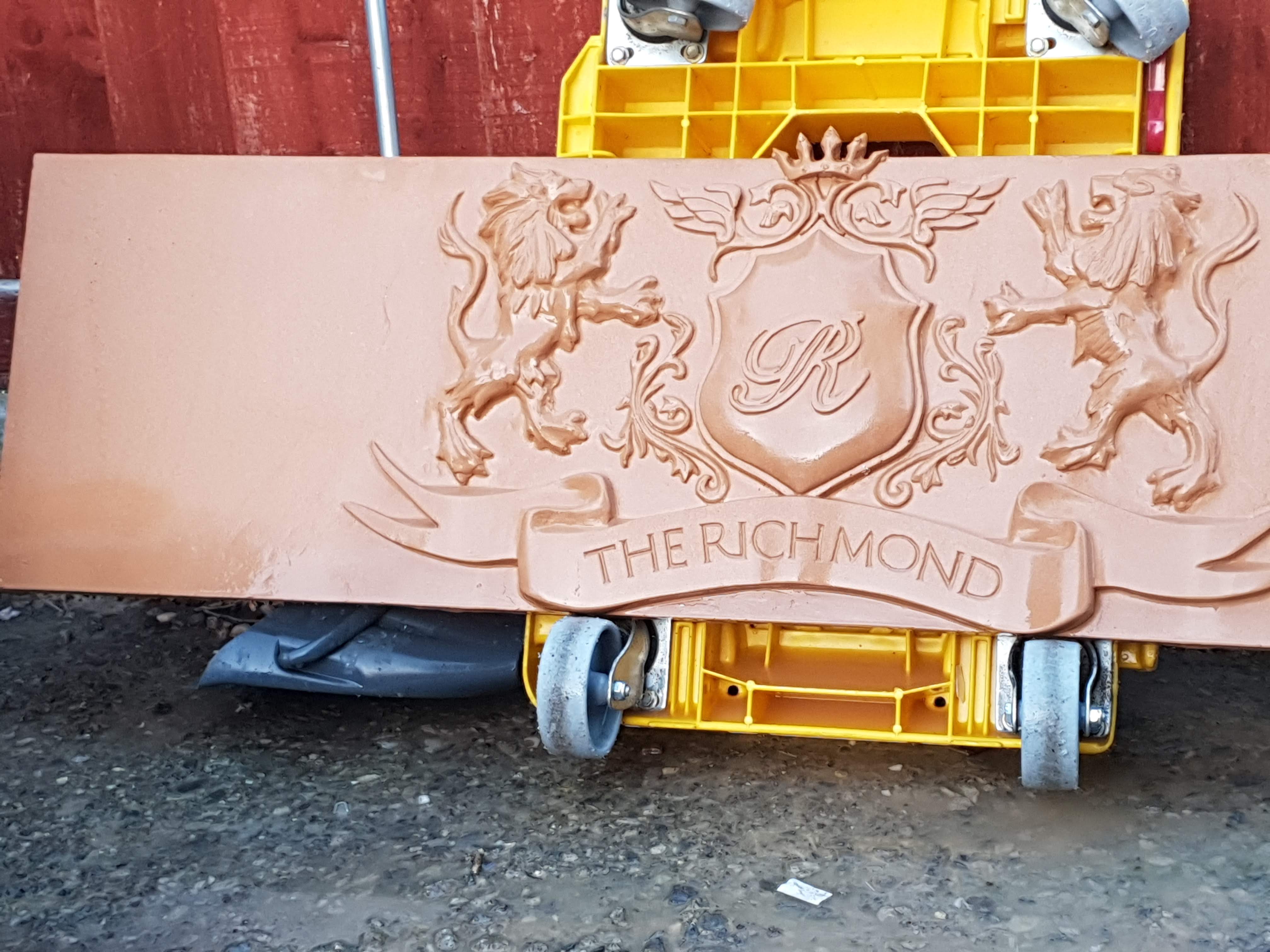
We sculpted the model by hand using clay and produced a master for approval. A silicone mould was produced from this and replicated in Jesmonite matched to the colour and constitution of the original stone.
Extreme restoration

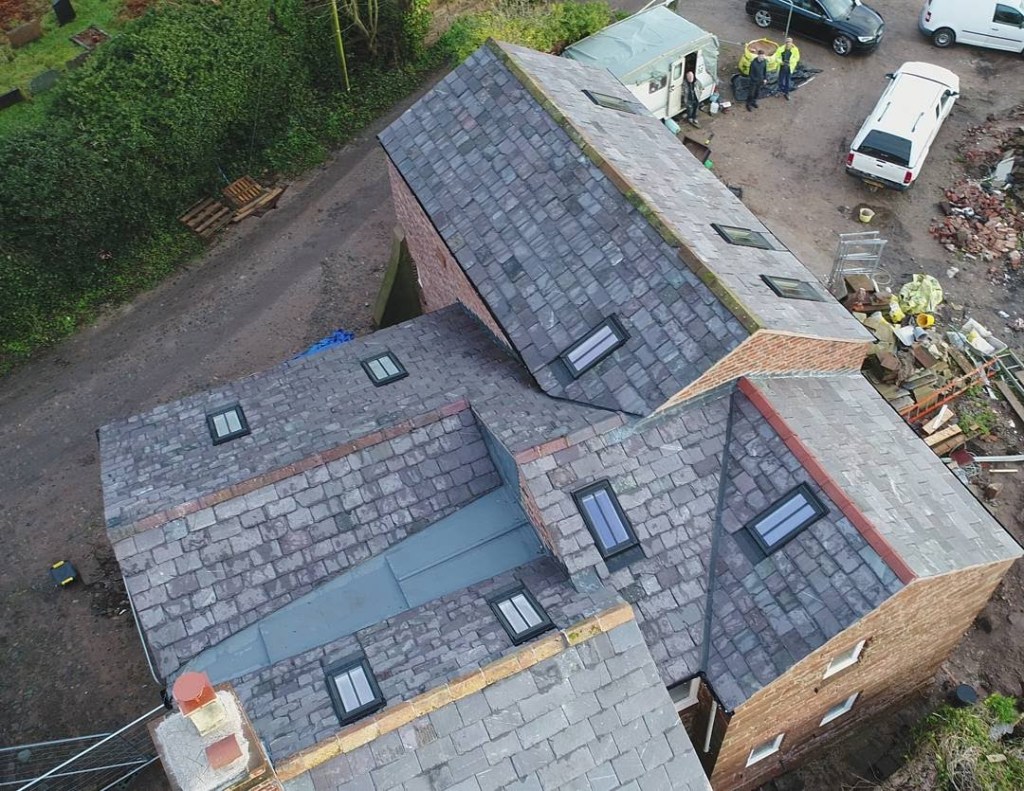
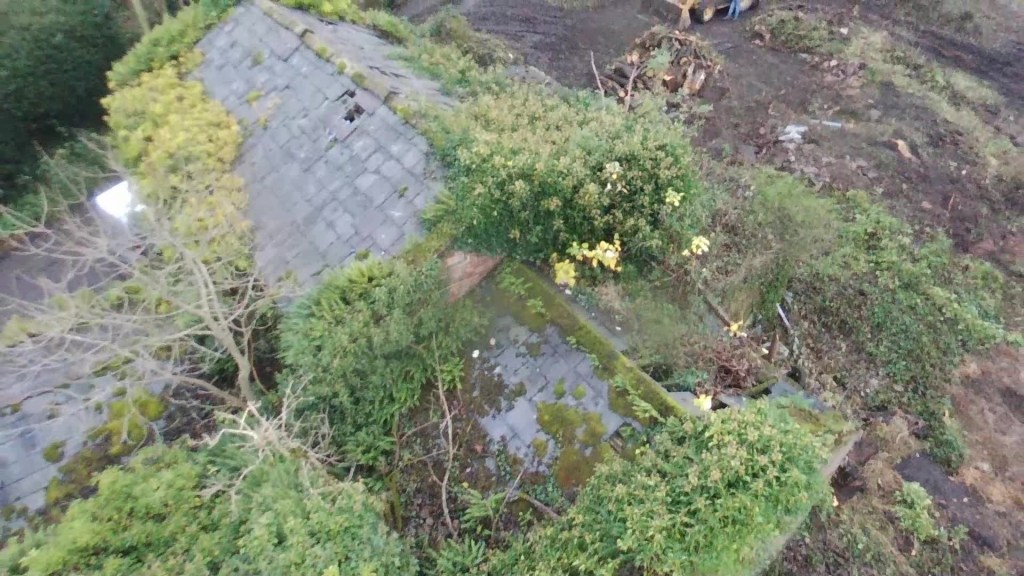
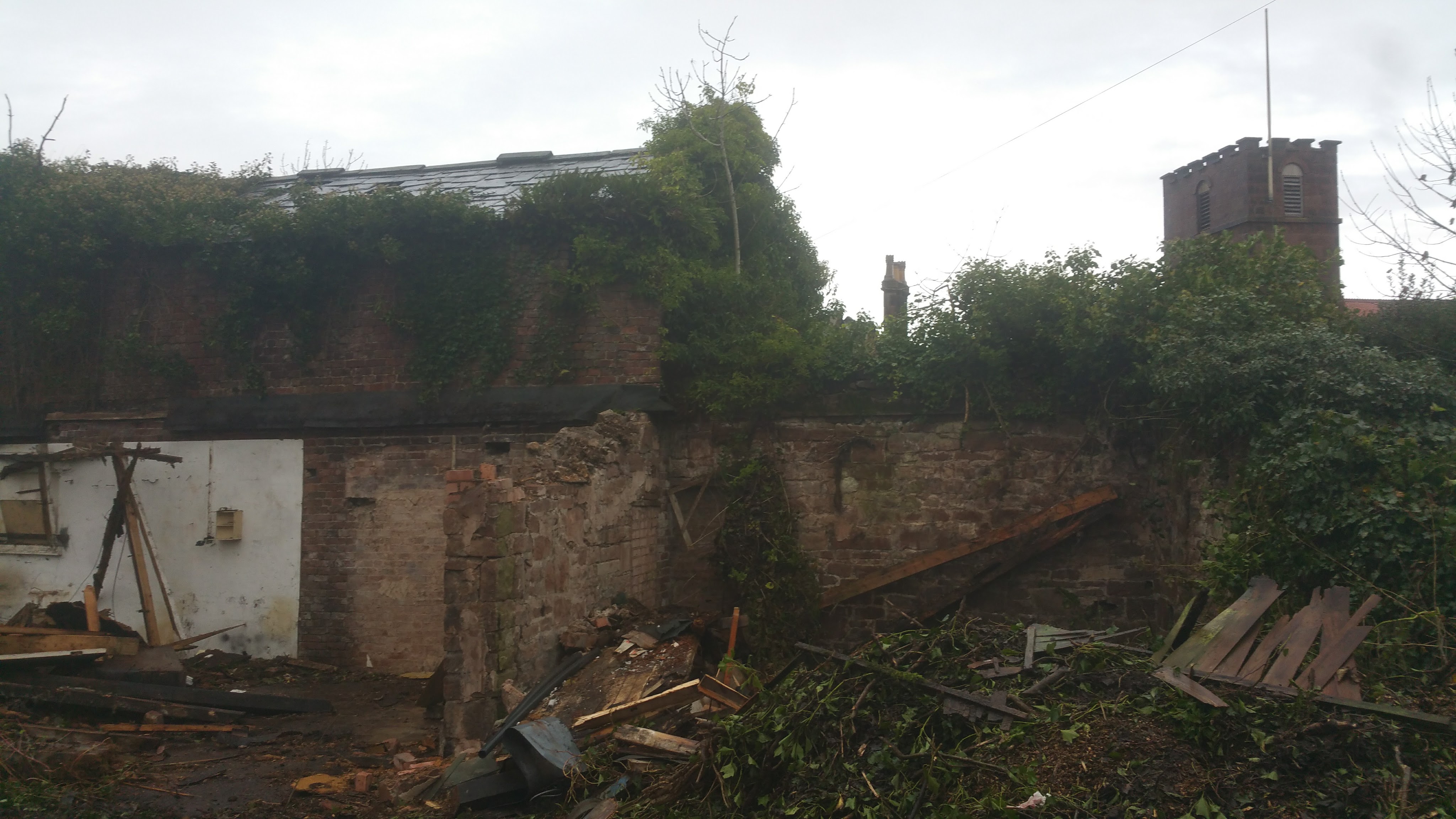
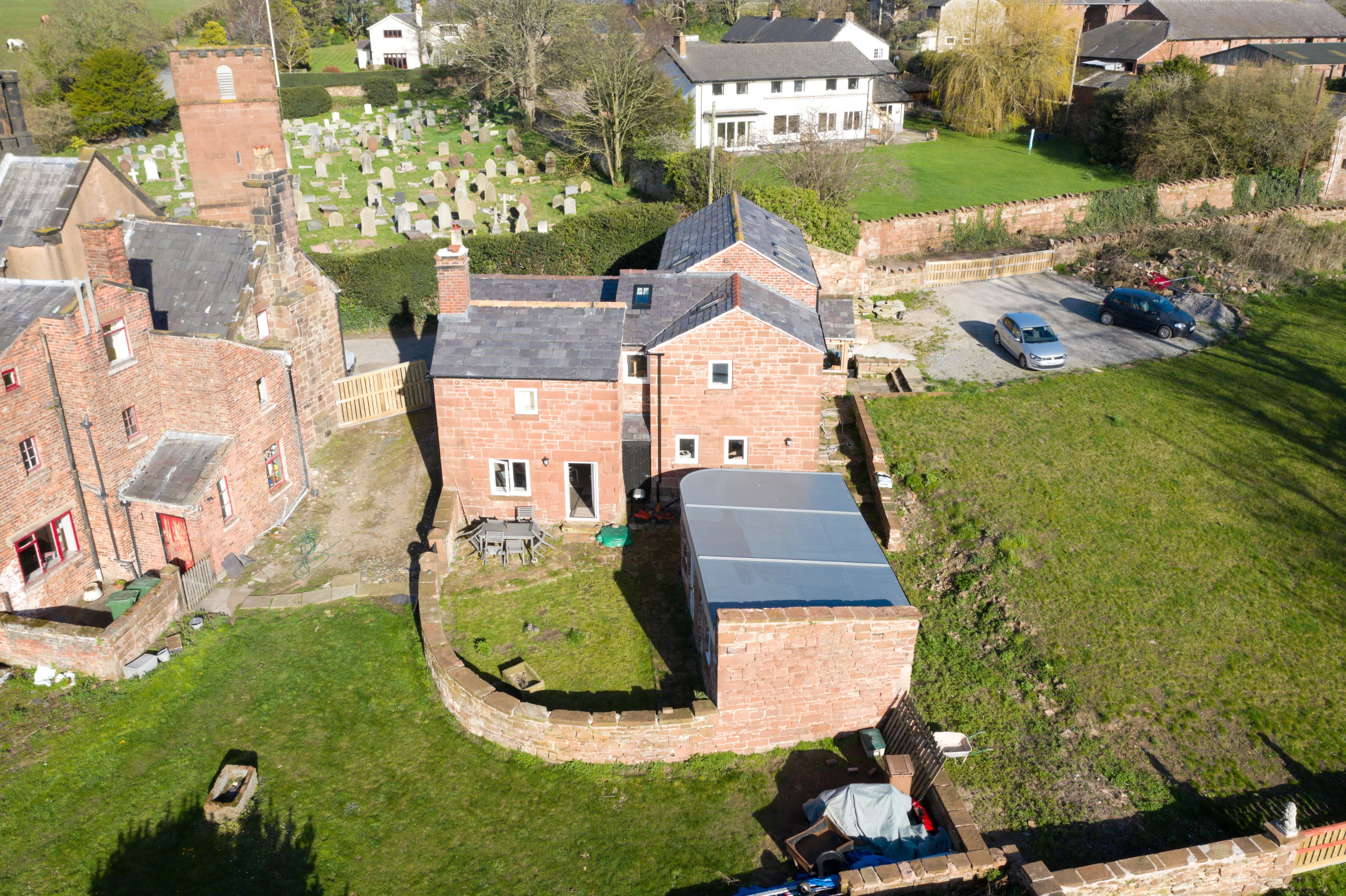
These images were taken around 18 months apart and show the transformation of a dilapidated former coach house in the Wirral.

We undertook the full restoration of this 1830s sandstone and brick built building and saved the derelict building from collapse.
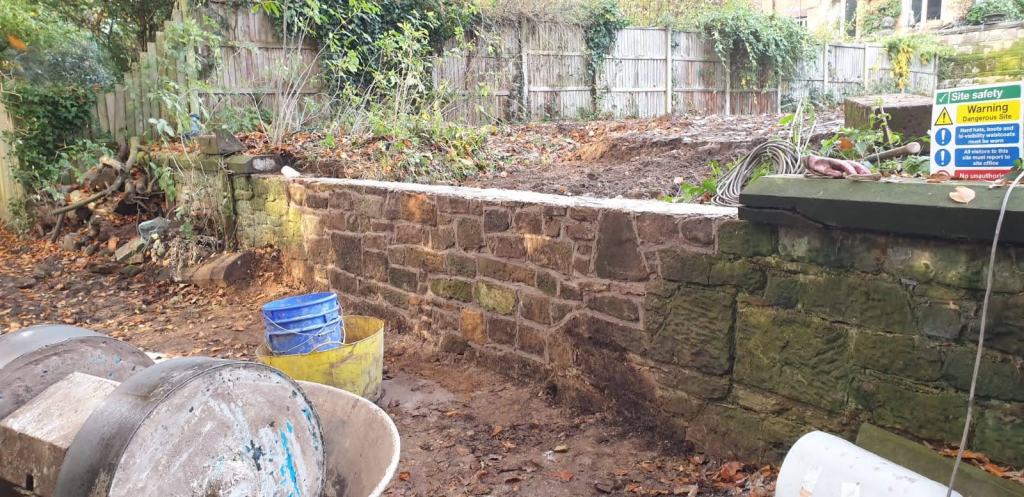
Using traditional methods and hot lime mortar we disassembled and rebuilt the overgrown structure and incorporated many elements of the original design.

The transformation was massive, vegetation had grown through ought the buildings structure and much of the building was unsafe and required careful reconstruction

Due to conservation restraints and to preserve the historical importance of the building all of the original materials were reused in the construction and rebuilding.

This included the replacement and repointing of all the original brick and stone work, roof slates and original timber details

Sandstone repairs in conservation areas

Conservation work often goes unnoticed due to the nature of the work our brief is often to put back to original and leaving no trace of intervention.

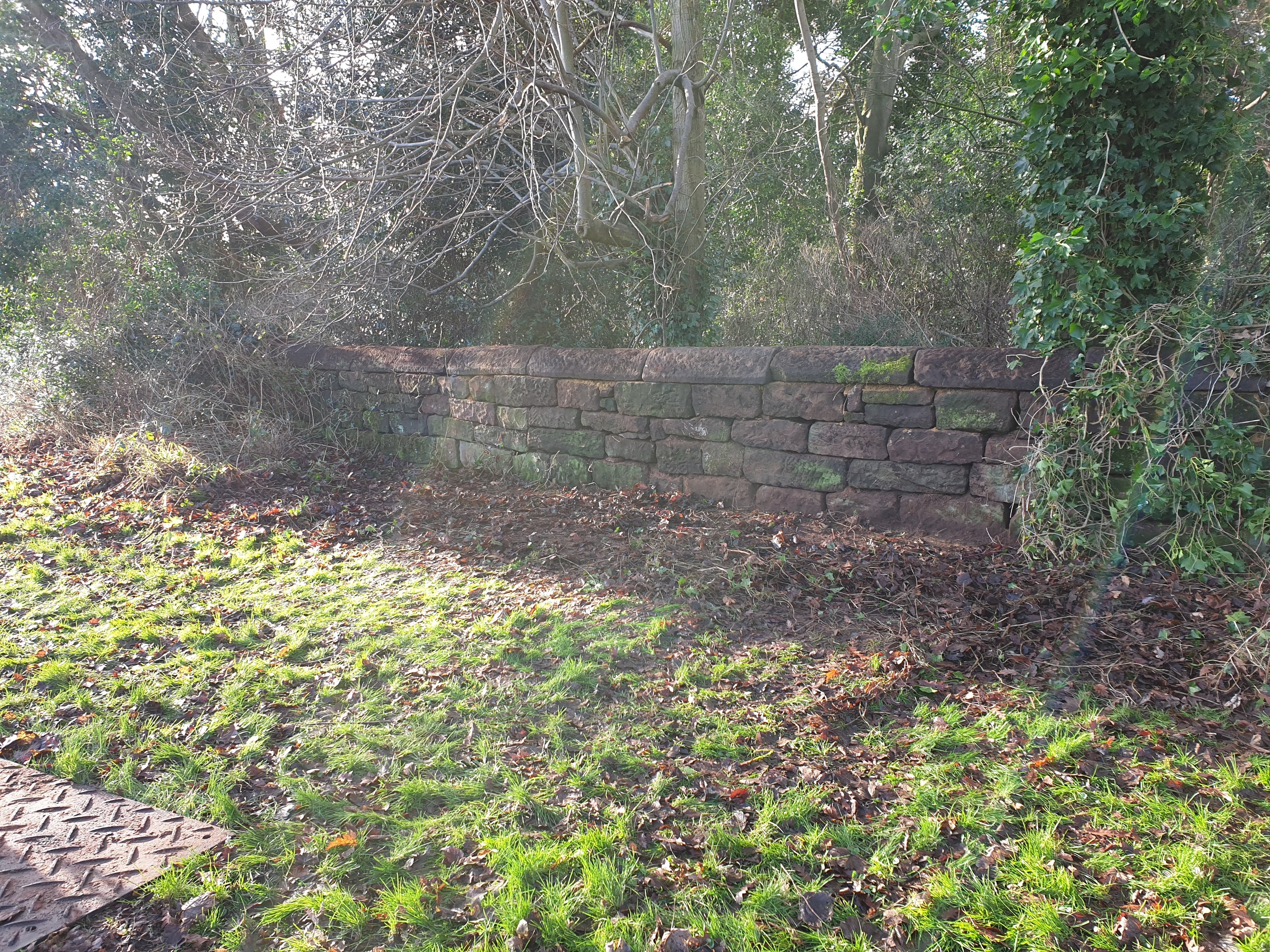
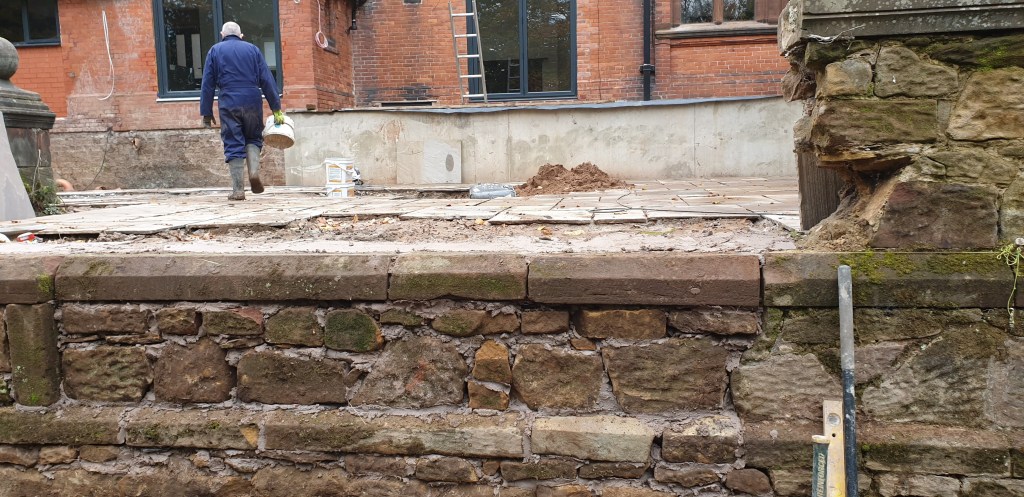
This boundary wall in Thurstaston, Wirral had collapsed a few years prior and was constructed using a feeble lime/earth mortar. we rebuilt the fallen masonry back using historical photographs and a dry built method

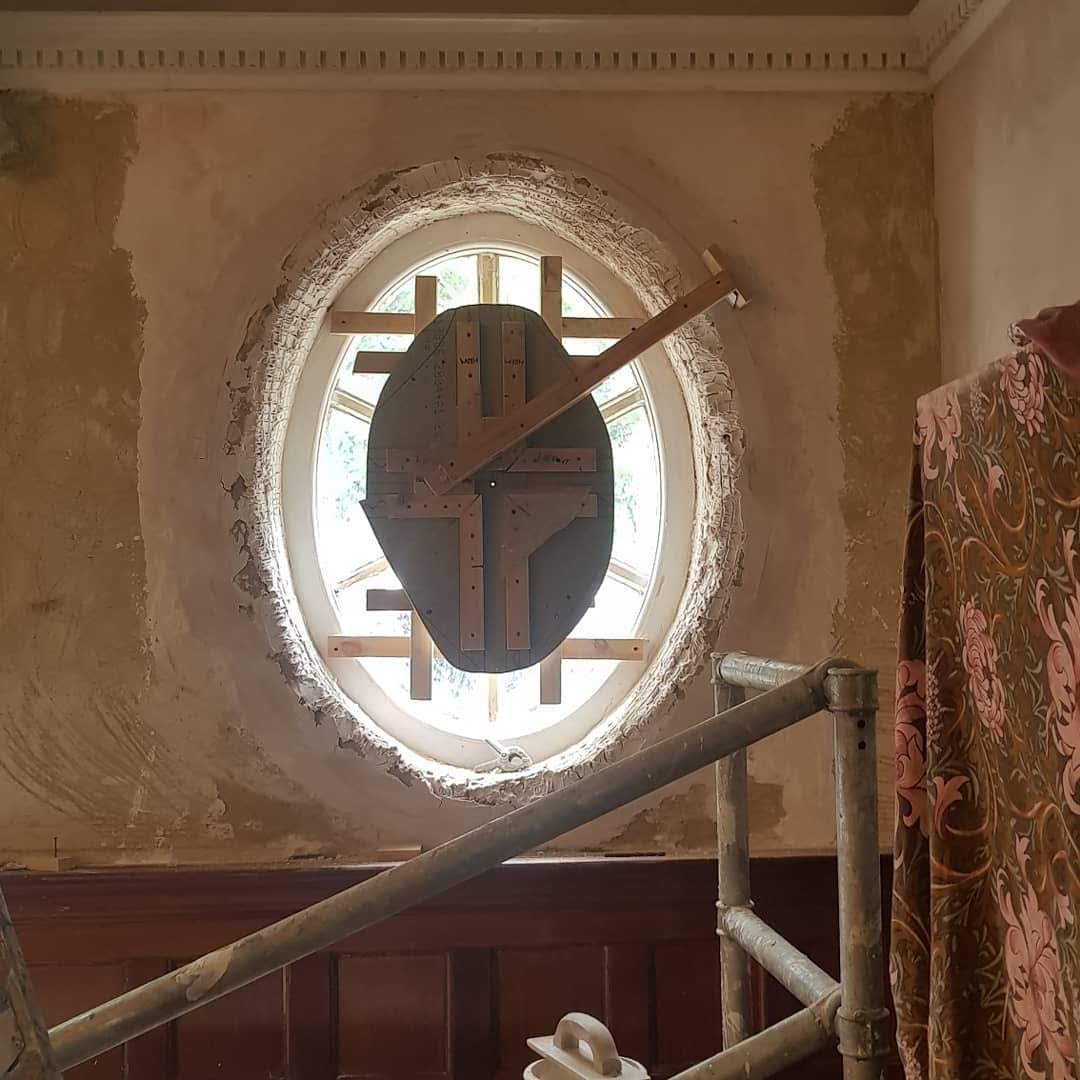
Oval mouldings ran in situ using a trammel

This project involved the exposing and treatment of dry rot caused by a blocked outlet in the flat roof above, remedying the initial water ingress problem and the reinstatement of lime plaster internally including fibrous plaster mouldings and oval window surround.

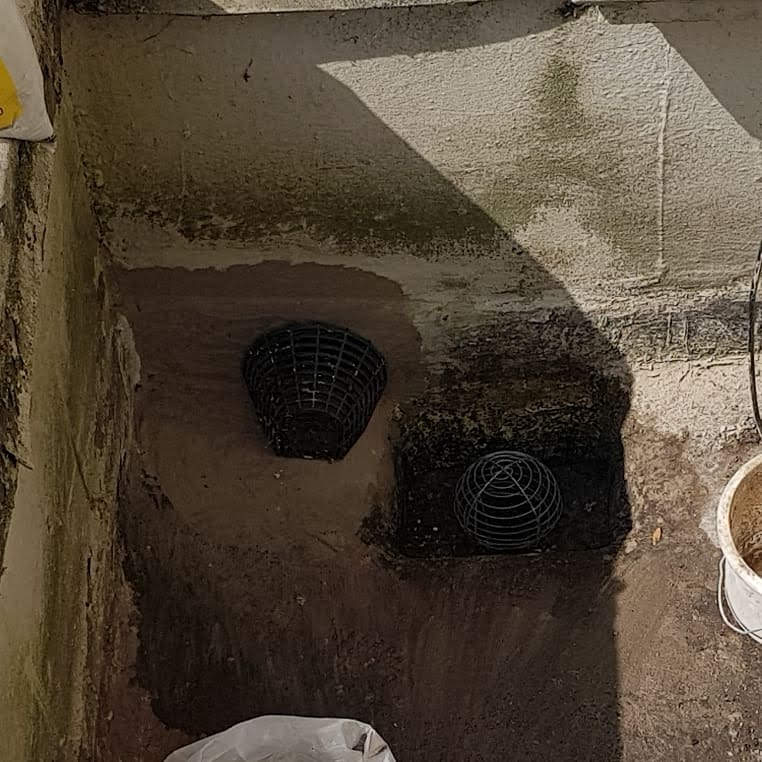
Above the affected area is a small bituminous flat roof with one small outlet for rainwater, this had no protection from debris and often blocked resulting in the water level rising and seeping into the room below through the flashings.

We installed a secound outlet at roof level that would alert the homeowners of a potential blockage in the outlet by dispersing it out the parapet wall. We also added debris gaurds to both of the outlets

Following treatment of exposed timbers and masonry to eliminate any traces of rot we plastered the affected walls with lime mortar and floated out the ceiling to meet the original

The fibrous mouldings were produced in our workshop to replace the originals and fitted including the row of separate dentil blocks

A challenging part of the project was the oval window surround moulding and reveal, this was created by using a simple device called a trammel, this ingenious yet simple contraption relies on geometry to produce elipses of a desirred height and width.

The finished result. lime plastered, fully restored using traditional methods with an oval in situ architrave moulding

Fibrous ceiling reconstruction

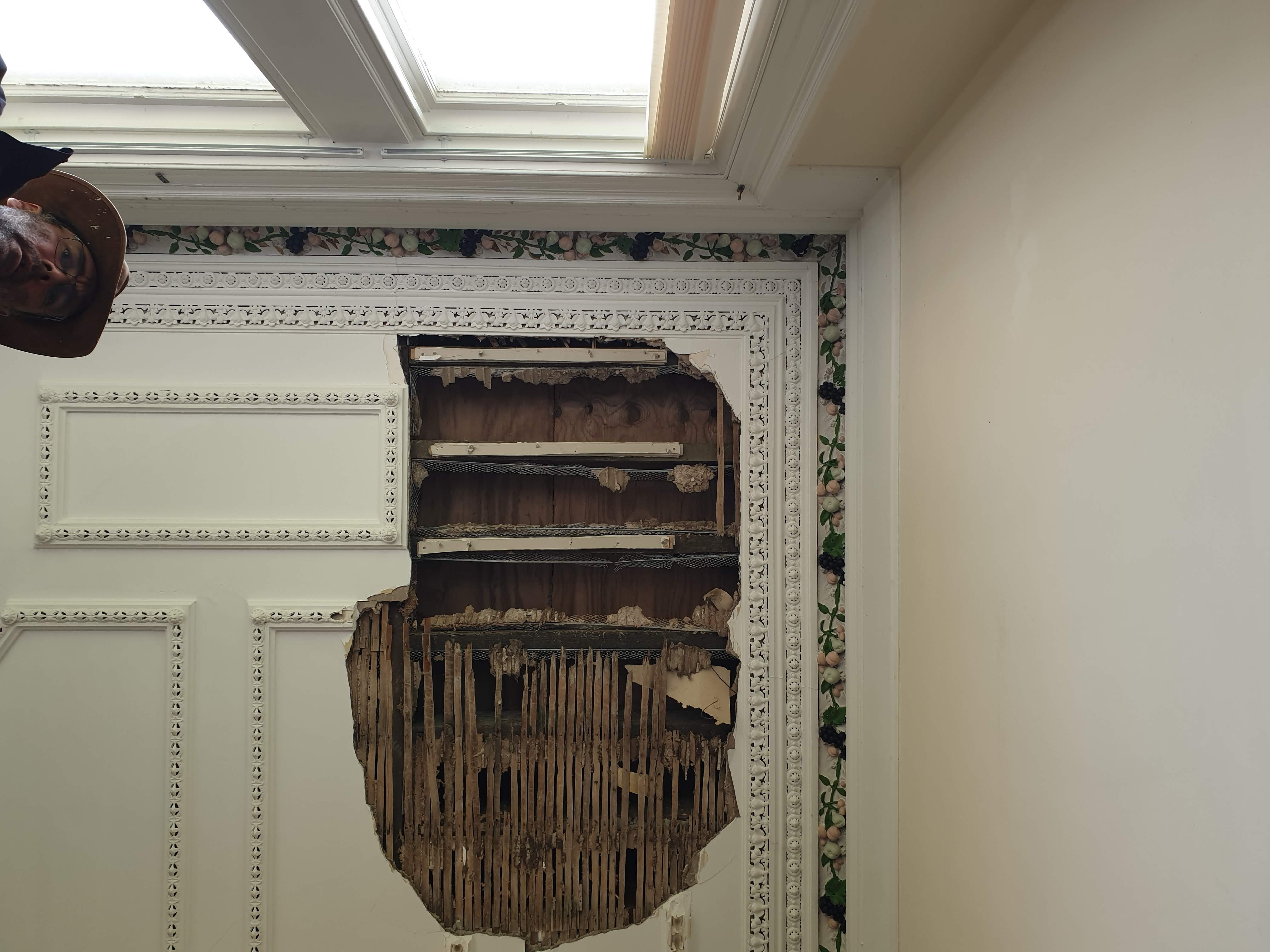
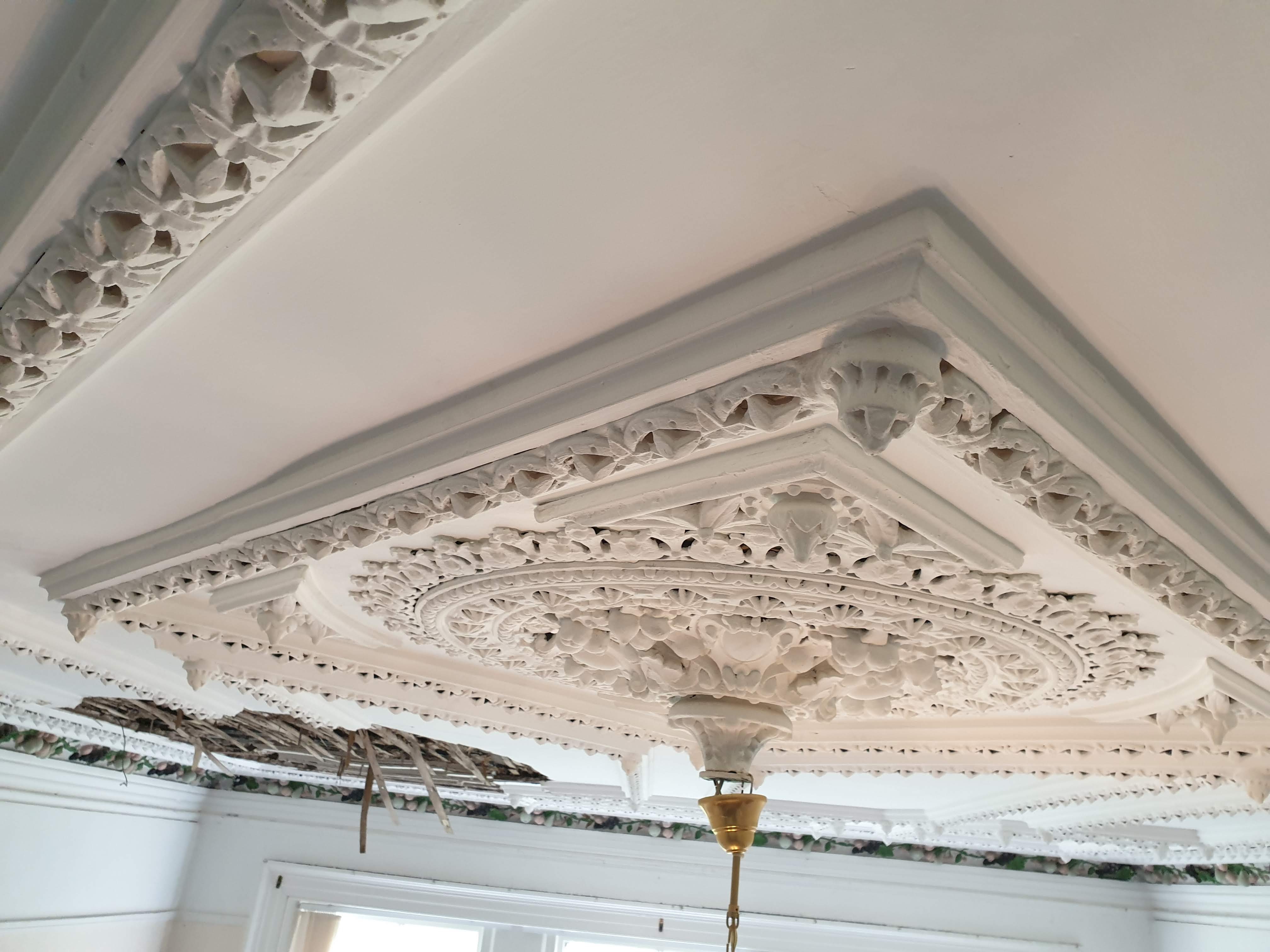
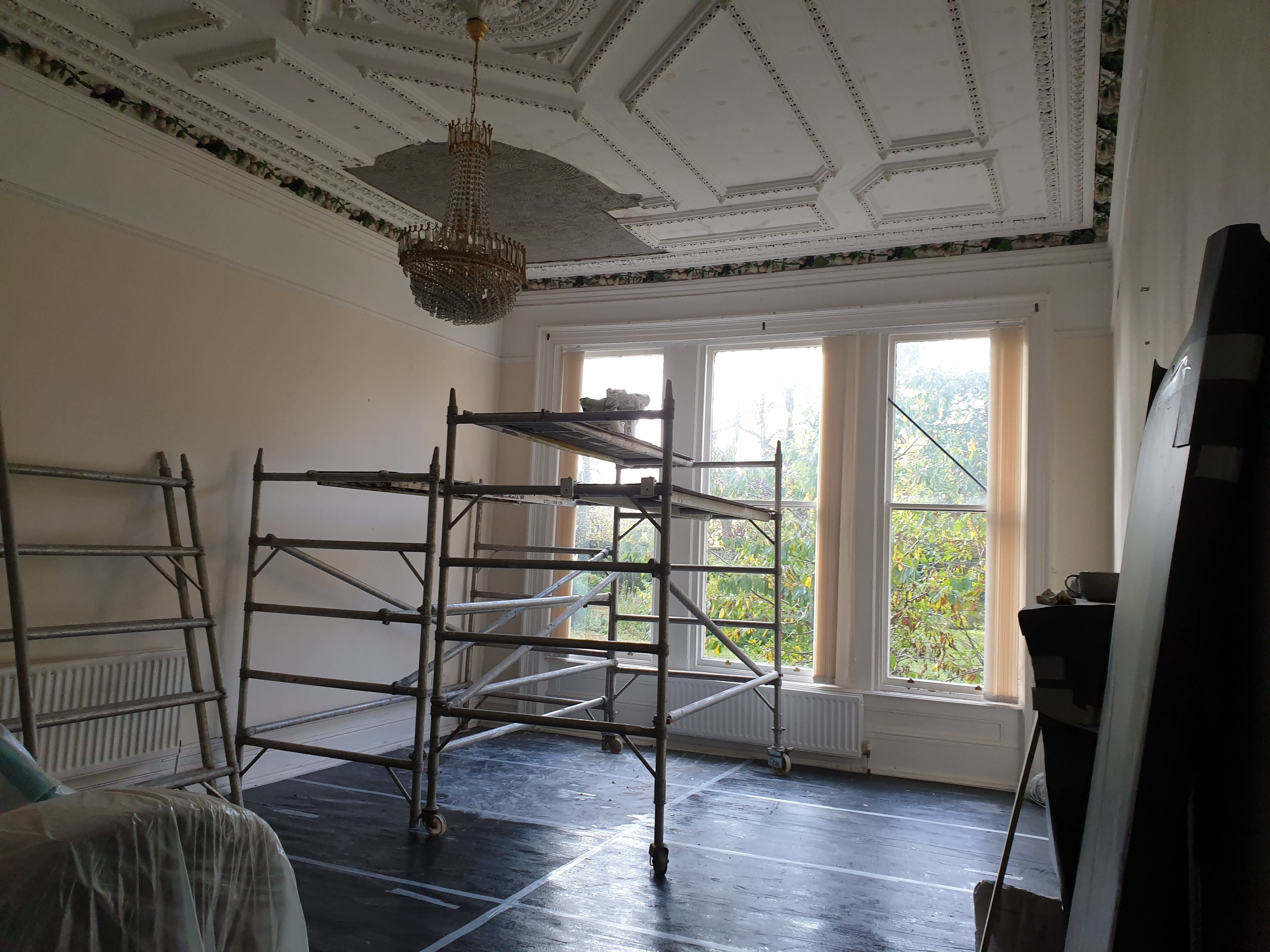
A large section of this 1840s decorative paneled ceiling collapsed and revealed some poor previous repair work.

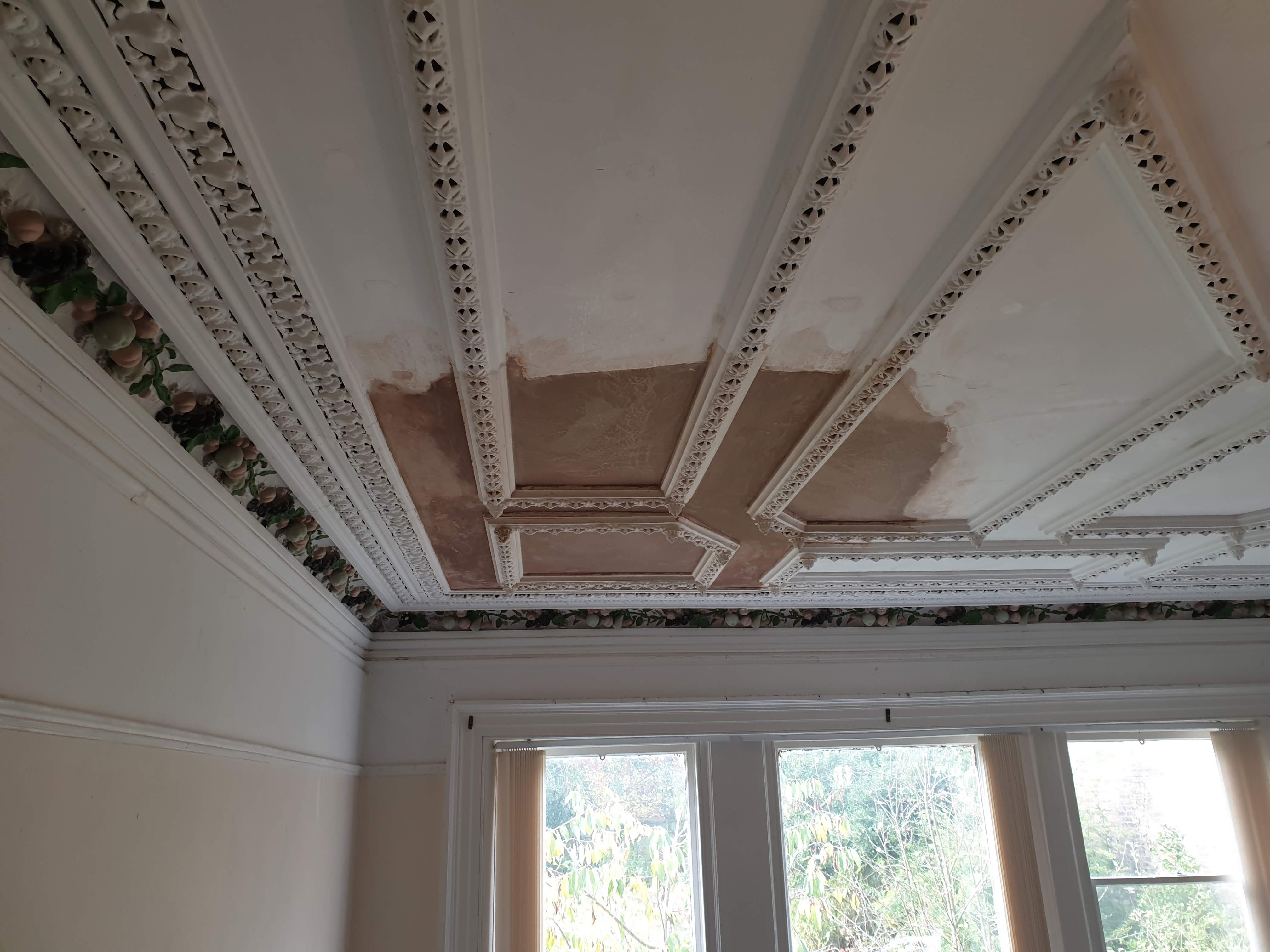
This large ornate ceiling in Sefton Park, Liverpool required rebuilding of the cast elements, plastering of the missing section and inspection and stabilization of the remaining ceiling.

The original design consists of several elements and enrichment details. the overall weight and historic damage had led to the collapse. closer inspection revealed poor repair work to a previous problem and some areas were found to be loose and required securing in place with mechanical fixings

We removed parts to produce our silicone moulds and plastered the missing sections. securing the existing ceiling throughout with stainless steel washers. This protected the remaining elements from future problems

The missing elements wee cast in our workshop and secured to the ceiling. the panels were floated and skimmed to blend in with the original

Repointing in lime mortar

Historic buildings have to be maintained with the correct materials, matched to the original and suitable for the often delicate masonry.

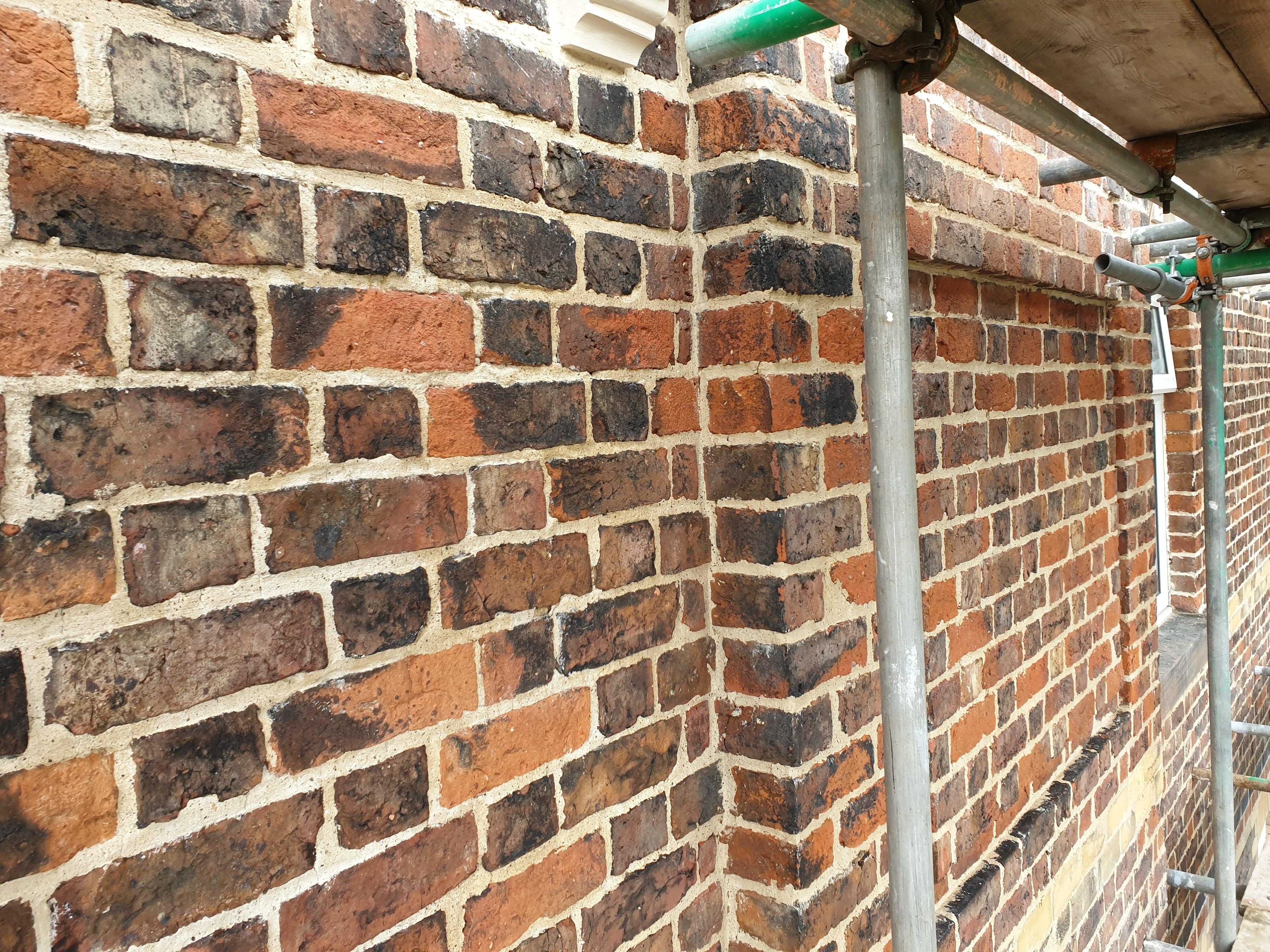
This tall Victorian townhouse in the Oxton conservation area, Wirral, had little or no maintenance over the past few decade’s and weather had eroded the lime mortar on the exposed sides of the building.

Our task was the removal of a disused and severely dilapidated chimney stack, repairs to enriched soffit and internal guttering within and the repointing of the weather damaged brickwork using a hot mixed lime mortar containing local sharp sand and crushed stone dust

The chimney stack had been repaired badly following severe storm damage and beneath the cement pointing the original lime mortar was now just dust and dirt.

Using cement on this type of building causes irreversible damage as cement will trap moisture that would normally dry out through the lime mortar joints.

The spalling and failure of the soft bricks is due directly to the blocking of the joints with cement. Moisture is forced into the soft brick and salts and freeze thaw conditions often lead to the total loss of masonry.

Weather had caused large, deep holes in the existing mortar allowing water into the building, some bricks were completely loose. minor, incorrect cement repairs had been carried out but caused further deterioration and were removed

Exposed mortar joints allowing moisture ingress and causing damp patches internally

The repointing was carried out using hot lime mortar as a binder and following analysis we sourced a coarse, local sharp grit sand and crushed yellow sandstone dust.

For repointing projects we often mix our lime mortars using a hot mixed method, a drier and stiffer mix is obtained by storing and reusing the mixed mortar after it has cooled down, often a day or two later.

The material is pushed deep into the pre wet joints using traditional pointing irons and finished with a flush, open finish

Building with hot lime mortar

We work with traditional materials and lime mortars to reconstruct historic structures using traditional techniques.

The sandstone garden and boundary walls of this historic Wirral development were removed for access during refurbishment works and we rebuilt them back to the original design using hot lime mortar.

Hot lime or quicklime (calcium oxide) is used as a binder and mixed with sharp sand and fine aggregate in a traditional rotary mill mixer, when hydrated the quicklime reaction creates heat and combined with the squeezing and mixing action produces a very workable and plastic mortar. Building with hot mortar enables rapid construction as the heat dries out the masonry blocks provides initial set.

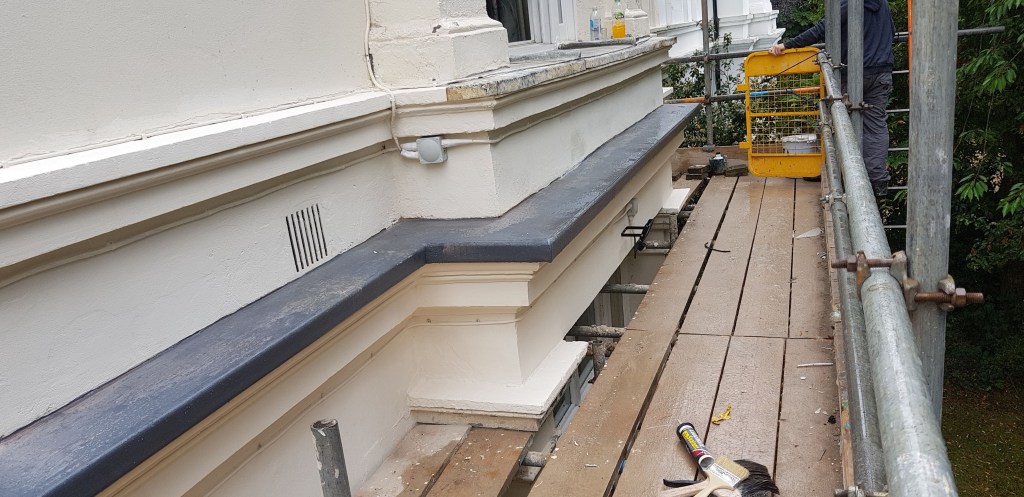
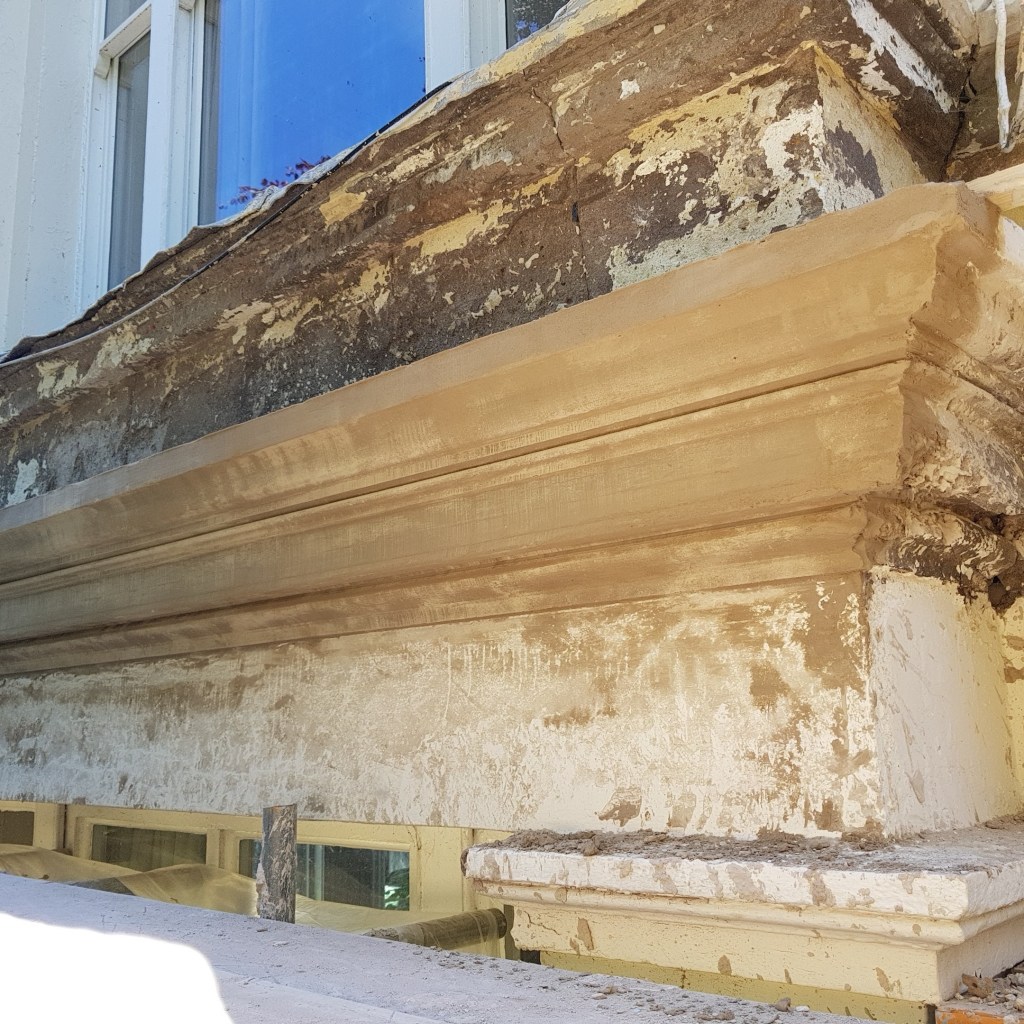
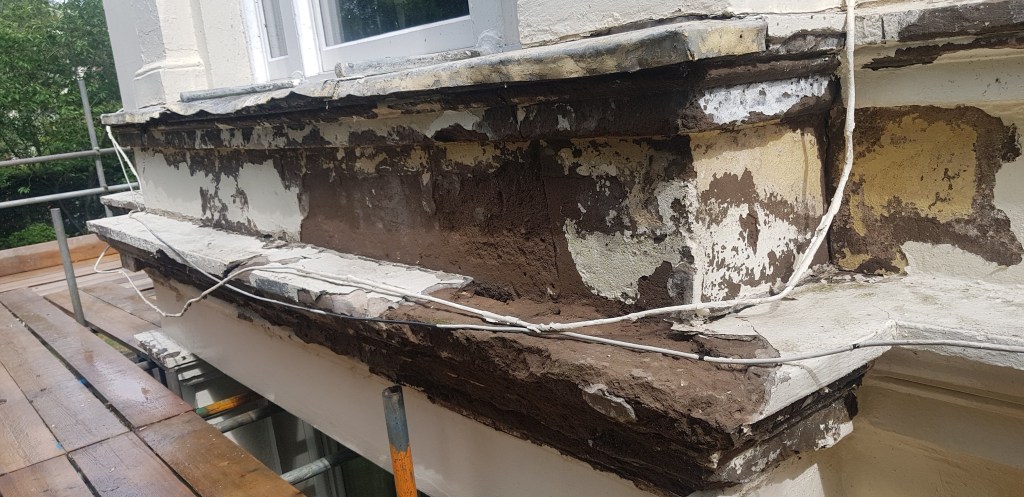
Exterior stucco mouldings

In situ repairs and replacement of damaged mouldings using traditional roman cement.

/

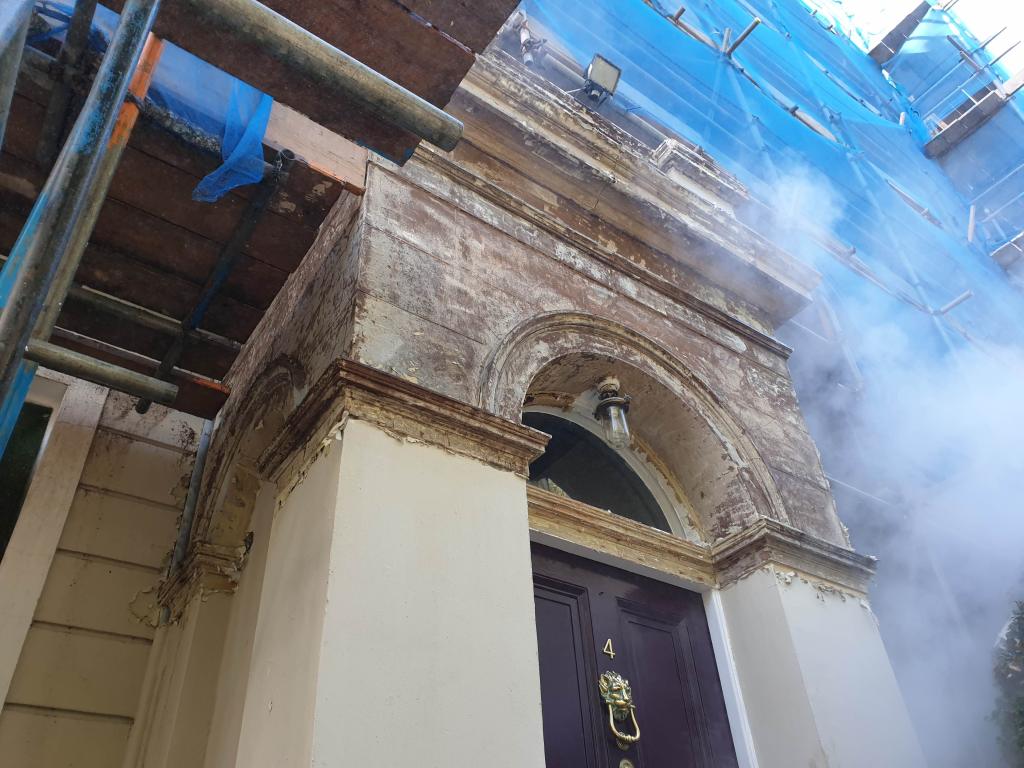
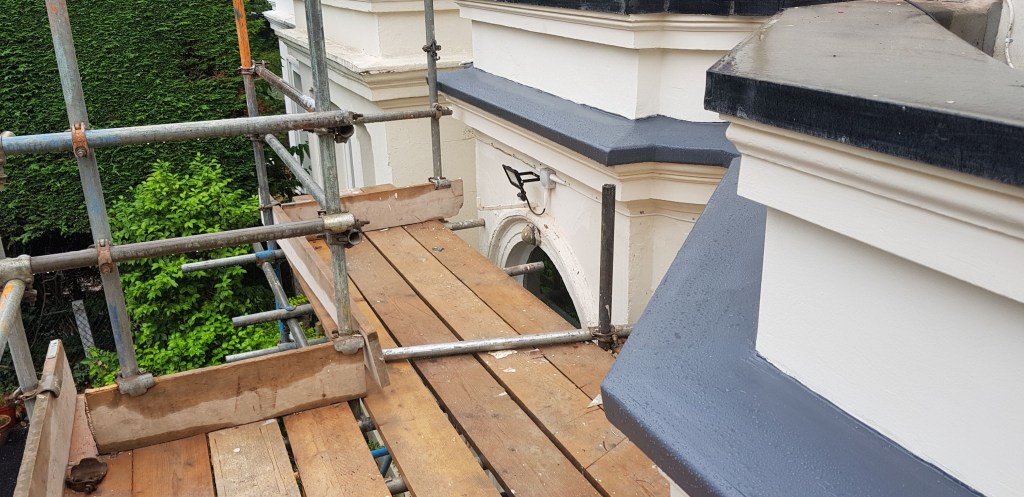
Paint and modern coatings were removed from this 18th century Liverpool Terrace and GRP weather capping installed.

The mouldings were repaired and ran in situ using a blend of local sieved sand and Natural Roman Cement

we also painted the finished works in a breathable silicate paint finish

restoring roughcast plaster

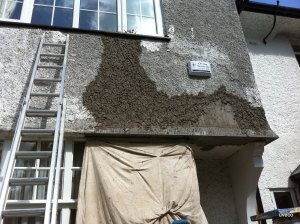
Rough cast textures  or wet dash were often used for large areas and can be fairly maintenance  free requiring only whitewashing or painting. This large family home required some extensive structural repairs to remedy water and frost damage, rotten timber lintel replacement and loose flaking paint


wpid-wp-1443389446360.jpeg
Continue reading